What Futures are Possible?
I grew up with computers. I met my partner couch surfing. That lived experience of the digital commons has stayed with me even as I watch the rise of techno-feudalism. The dream of technology supporting a more abundant world isn't just a dream for me, even if the mechanics need some serious work.
I am a radical optimist, by temperament, and as an ethical position. In the face of global catastrophic risk, most of it man-made, orienting ourselves to more abundant futures is critical. For this, we need two things at once. We need imagination, or an ability to picture what doesn't exist yet. And we need clear-eyed understanding of how power and technology actually work.
Featured
World Ethic Forum – radically shared aliveness
I work as in-house writer and editor with the World Ethic Forum, a Switzerland-based regenerative think tank exploring radically shared aliveness, and the precondition to a culture of care and kinship. I work with the co-leads to create shared language, clarify the methodology, and communicate insights to a broader public. Read their blog here.

How to Rule a World
This is the centrepiece of my work with Corin Ism, building governance literacy through the Future of Governance Agency (FOGA) The book offers World Builders of all types a complete introduction to the existing and emerging tools for power and governance. The book is forthcoming: stay tuned.
Governance and technology
Global Challenges Foundation – Quarterly Reports
From 2016 to 2018, I served as editor in chief for the Global Challenges Foundation's quarterly report series. I worked closely with executive director Corin Ism to shape the conversation around the New Shape Prize, the largest prize competition in the social sciences, inviting new models for global governance. The reports served to frame the intellectual stakes, surface emerging ideas, and bring a broad range of thinkers into dialogue around what new global governance might actually look like.
Resetting the Frame · Remodelling Global Co-operation · Learning from the Past · Global Governance for Global Citizens· Governance in the Age of Disruptive Technology · Watchdog for the Future · The New Shape Process
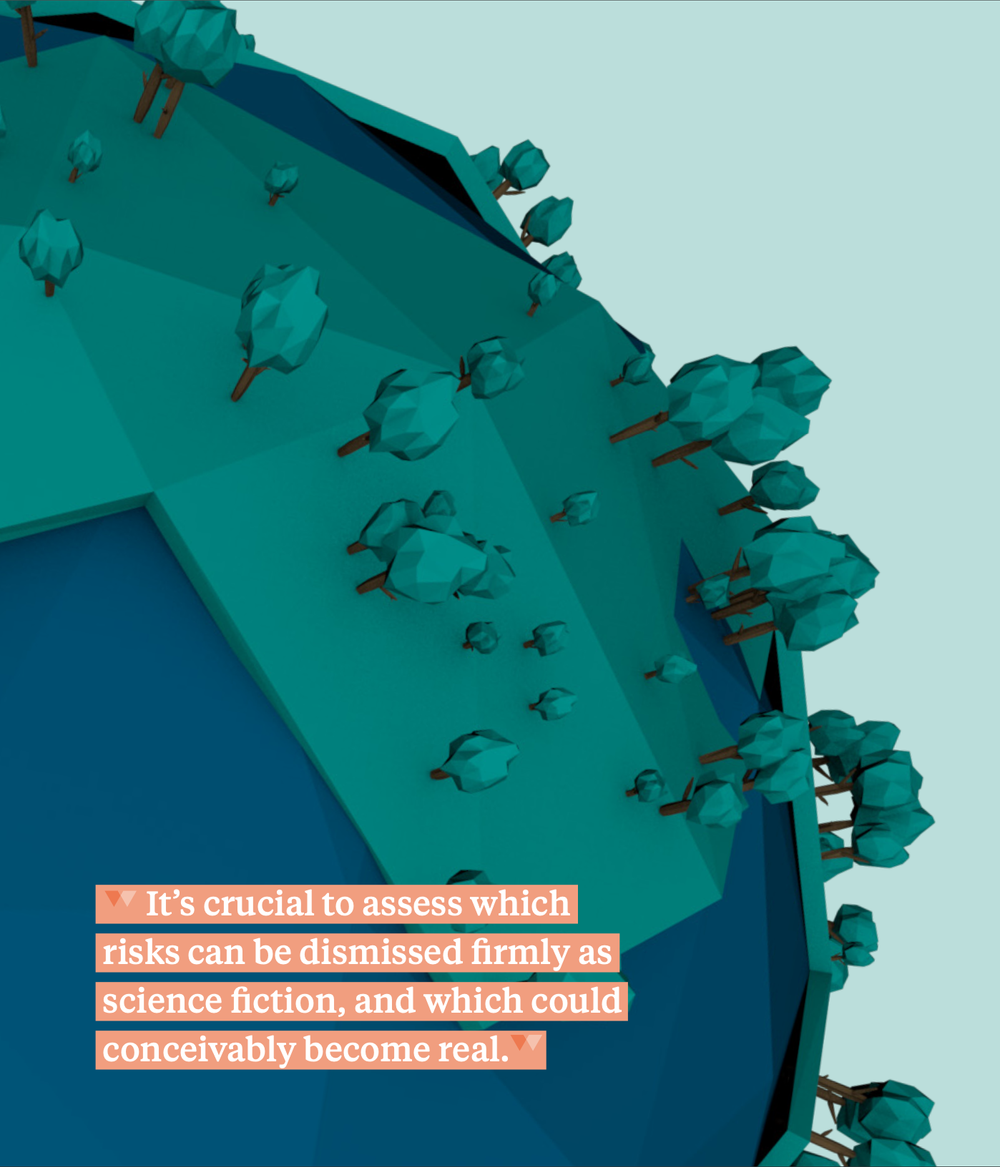
Global Challenges Foundation – Risk Handbook
In close collaboration with GCF Executive Director Corin Ism, I orchestrated the production of the Global Challenges Foundation Risk Handbook – a world first concise introduction to global catastrophic risk. The handbook, based on scientific contributions by leading experts, offers a complete overview of 10 distinct risks and the governance structures currently in place to address them. What’s actually at stake, mapped as clearly as possible. You can download it here.

Slow Internet
Slow Internet merges the slow movement with the promise of the early internet. Written by governance futurist Corin Ism and altruistic hacker Markus Amalthea Magnusson, the book offers three design principles and a set concrete proposals to exit the Internet of Stress. I wrote the French translation (forthcoming) and am the French-language spokesperson for the movement.
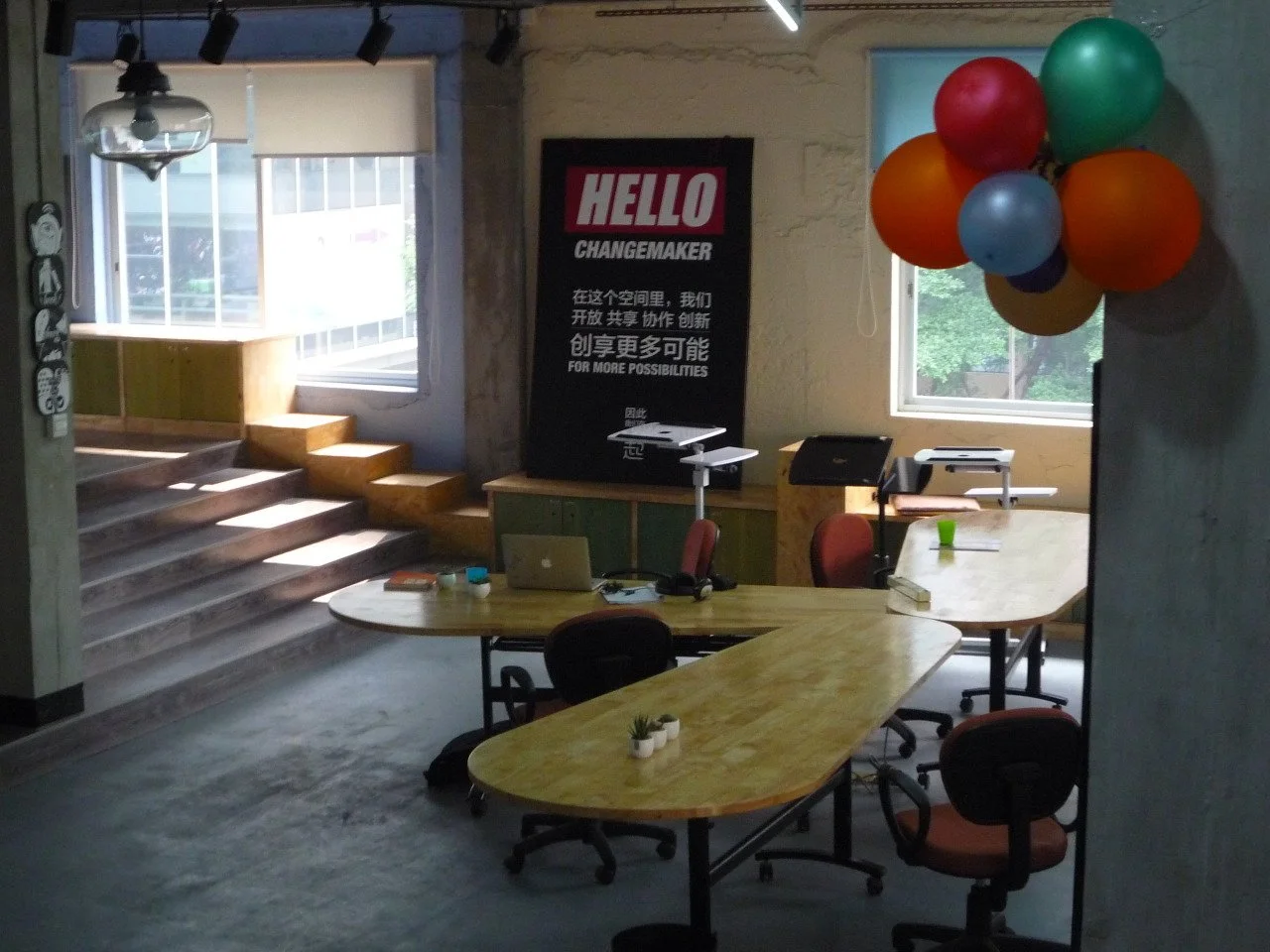
Writings about Digital Technology and innovation
In the early 2010s, distributed digital spaces were beginning to model new forms of collective organisation. I wrote for the blog Superhero Spaces on Xin Chejian, a makerspace in Shanghai, and Yi-Gather, a coworking space in Guangzhou, two early experiments in what peer-led innovation could look like in China. I wrote on Gov 2.0 in Australia for the online magazine Regards Citoyens (in French), exploring open government as a model for participatory futures. I also wrote blog posts exploring positive futures: mainly around digital commons and alternative models to fund cultural creation.
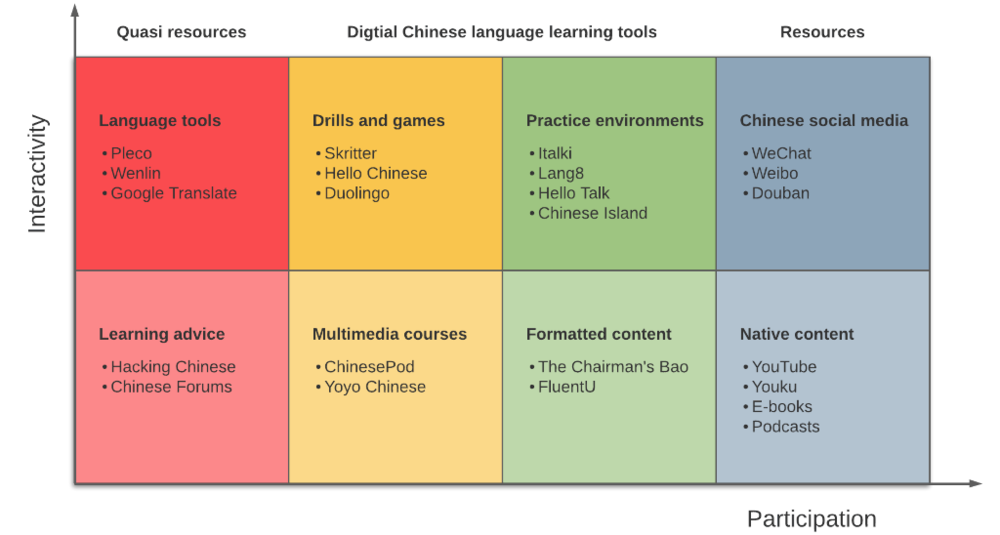
PhD: Mapping a Digital Ecosystem of Chinese Language Learning
My PhD, completed at Monash University in 2021, mapped Chinese language learning as a distributed digital ecosystem. I explored an uncoordinated global field that, I argued, could be understood and designed as a collective public good. The thesis is primarily a piece about coherence (where it features), but it also belongs in this thread: at its heart, it's a proposal for how digital technology might allow us to build shared learning infrastructure that no single institution owns or controls. Read the thesis here.
Ecology and Climate

Global Carbon Reward
Since 2020, I've advised Dr Delton Chen on the Global Carbon Reward: a policy proposal to fund climate mitigation through a new central-bank backed transnational asset class. I've edited multiple versions of the website and policy paper. GCR has been presented at COP28, the Bank of England, and Yale, and features prominently (under the name ‘carbon coin) in Kim Stanley Robinson's novel Ministry for the Future.
Solarpunk Futures
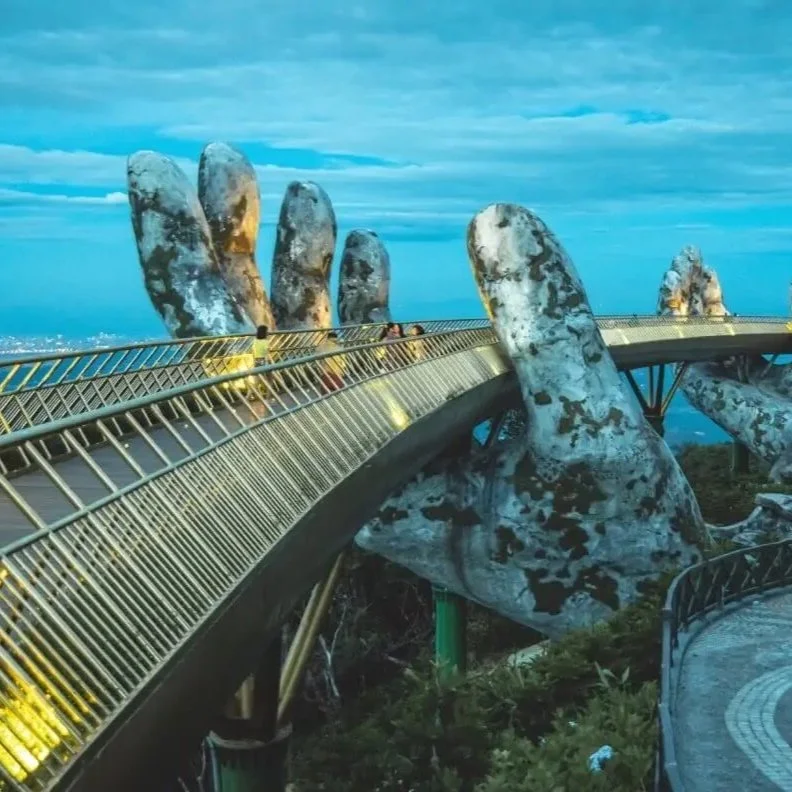
I have been hovering around the Solarpunk movement as a direct reaction to my work on Global Catastrophic Risk. Many of the threads on this page are inspired by this aesthetic and philosophy. In 2021, I co-wrote with my friend and FOGA cofounder Corin Ism for Singularity Hub: Solarpunk Is Growing a Gorgeous New World in the Cracks of the Old One.
Juris Materiarum
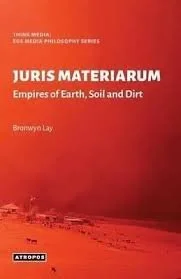
From the solidity of Earth to the sovereignty of soil to the dissolution of dirt, Dr. Bronwyn Lay draws together legal histories and philosophies around the unifying concept of juris materiarum: laws that recognise the connections between humanity and its habitat. I worked with Bronwyn to edit the book into a concise version for a new release in Norway (forthcoming).
Proposals and Public Submissions
Asia capability as cultural peace infrastructure
Submission to the House of Representatives Standing Committee on Education, Inquiry into the Development of Asia Capability, 2025.
Drawing on fifteen years of practice building intercultural bridges between Australia and Asia, and on doctoral research mapping Chinese language learning as a distributed digital ecosystem, this submission argues for a reframe of Australia's Asia capability strategy, from a deficit model to an ecosystem model. Rather than asking how to fill the ever-growing gap, it asks how to weave together the many existing threads of connection already happening across a country with a rich migrant population, support them, and make them visible. The submission proposes four interventions, repositioning Asia capability as a core piece of 21st-century cultural peace infrastructure. Read the full submission here.
The invisible workforce: shapeshifters & labour market dynamics
Submission to the Senate Select Committee on Productivity in Australia, 2026.
Submitted on behalf of Shapeshifters Group, this submission raises awareness of a poorly recognised category of work – integrative, cross-functional, in-between roles – and its relationship to labour market dynamics. When skills are primarily relational, systemic, and cross-contextual, the current market systems optimised for specialists are failing, even though these capabilities often generate significant system-level benefits. The submission argues for better recognition, measurement, and support of shapeshifter work as a structural productivity question. Read the full submission here.
SURPLUS
Surplus is a publication sharing ideas I have accumulated over the years and am unlikely to act on myself, put in shape and open for grabs. The list includes fractional citizenship, a global public goods incubator for mid-sized cities, a transnational book club, and a dozen other proposals in various states of development. The title and the spirit were inspired by Corin Ism, my FOGA co-founder: ideas shared in the spirit of open-source, which now belong to the common soil. Read Surplus here.